The question of whether college athletes should be paid is a hot topic in the sports world. While many say that scholarship money is enough for athletes, others say that the top athletes should get paid since their name and image is used on products and advertising.
Despite 69 percent of the public opposing the idea, paying athletes could possibly solve some of the big problems in the NCAA. I am sure that the majority of us would love a paycheck for doing what we do. Below are some of the pros and cons of paying college athletes.
The Pros:
Encourages Healthier Student Athletes
With the exception of the stellar D1 athletes, we often struggle financially just like those who aren’t college athletes. However, non-athletes have enough free time to have a job to make some extra time. We don’t.
That’s why paying college athletes would help athletes focus on academics and athletics, and we wouldn’t have to worry about finding employment during the offseason.
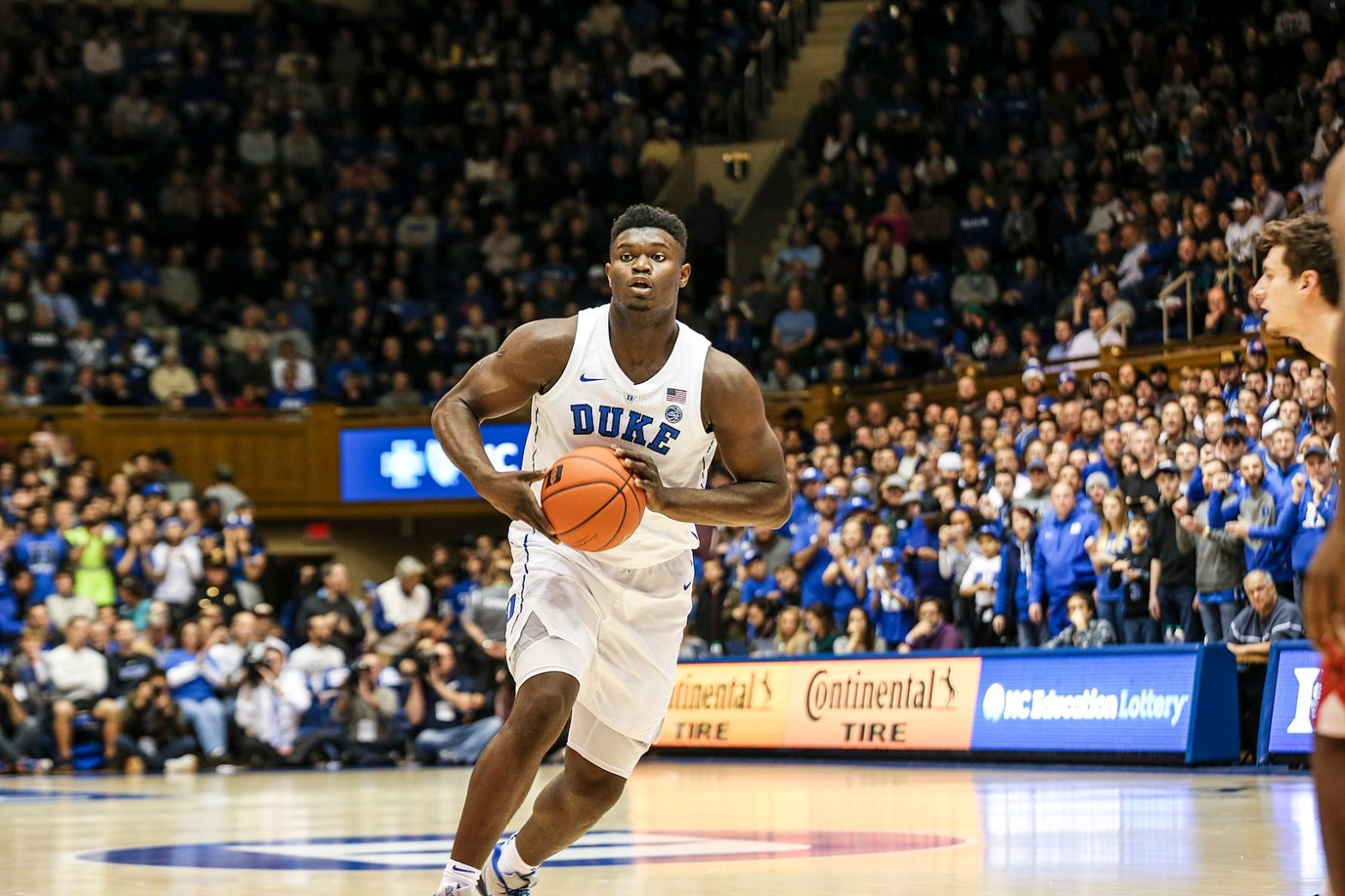
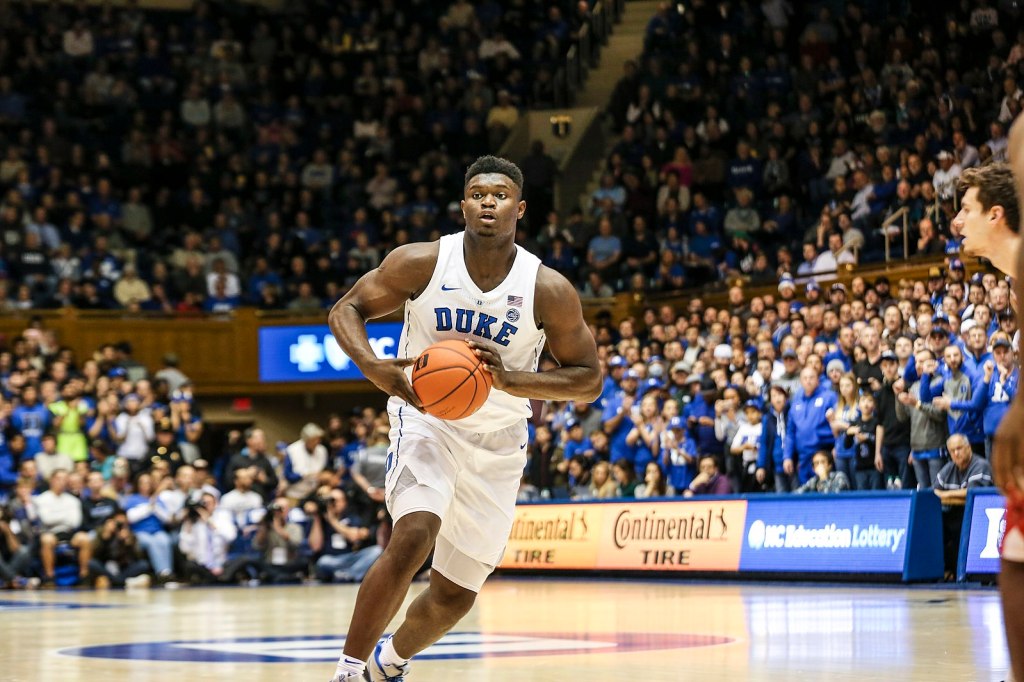
Furthermore, those top D1 athletes who have a name and image for themselves would finally profit off of that. For example, former Duke University basketball player Zion Williamson helped the university’s revenue while he was there. Jersey sales doubled, and rivalry game tickets were selling at Super Bowl price. Allowing athletes to be paid would allow him to receive some of this profit.
Provides Relief For Their Families
While some athletes have full-rides, most do not. Our parents end up paying our tuition, or we are left with large amounts of student loans.
That is why paying college athletes would not only be beneficial to the athletes but to the parents as well. We all know we would love to give back to our parents for being so supportive of us throughout our athletic career.
Stop Corruption
While the current rules do not allow college athletes to be paid, there are many people who do not follow them. Look at the scandal in 2017, where recruiting agencies were making bribes to athletes and their families to attend certain schools.
Paying college athletes may allow people to not feel the need to take bribes and break the law. These scandals would never happen, which would lower investigation costs.
Athletes Would Actually Stay in College

As previously discussed, Zion Williamson is one of many top basketball players who played one year in college before going pro. Instead of getting a college degree, these athletes just go to college to get exposure for their professional venture.
If college athletes were paid, they may stay longer in college and may even graduate with a degree, while still be able to earn even more money at the professional level. The point of going to college is to get a degree, right?
The Cons
Eliminates the “Spirit” of College Sports
For those of us who enjoy watching college sports more than professional sports, our reason is usually that college sports games are more intriguing. The players are more engaged in the game, while some professional players are more engaged in their salary.
Professional sports are a business, and college sports would become the same. We would be seeing college athletes transferring schools for better salaries just like professional athletes get traded. If the college game and professional game become so similar, what would be the point of having both?
Prioritize Athletics Over Academics
Paying college athletes would most certainly change the athletes’ personal priorities. Instead of working hard in the classroom to earn better scholarships, athletes would be working hard on the court/field to earn a pay raise. This completely eliminates the point of going to college.
To add, athletes would focus even more on the athletic aspect of choosing a school than they already do, and it would eventually turn into the best teams being the institutions with the most money.
Burden On Taxpayers
If college athletes were to be paid, who would pay for their salaries? The school? The NCAA?
The money has to come from somewhere.
For public institutions, this means asking taxpayers for support. For private institutions, they would likely need to raise their tuition rates to compensate for the salaries. For these reasons, the main population who would suffer the most are those who already cannot afford to attend college, regardless if they are an athlete or not.
Paycheck Inequality
Those in favor of paying college athletes have a lot of questions needing answered regarding who will be paid what.
Will Division 1 athletes be paid more than Division 2 or Division 3? Will football players be paid more than soccer players? Will men be paid more than women like with professional sports?
Salary and contract disputes are a huge issue in professional sports. From lawsuits to unionizations, there are bound to be even more problems if college athletes were to be paid. Not to mention that some college athletes are under the age of 18, so the parents would need to be involved as well.
When it comes to college athletes being paid, there are many pros and cons. While it may seem nice to us as athletes to be paid for our countless 6am practices and rigorous weightlifting sessions, something as simple as a paycheck might cause long-term problems for the college sports industry.
Whatever side you take on this issue, I think we can all agree that this a big issue in the sports world. As the issue continues to be discussed, I believe we will be seeing some form of athlete payment sooner rather than later. What do you guys think? Leave a comment below!
 Speaking of Athletes
